Precise digital work. Insights from the studio.
From the Lab, June 2026
Project Spotlight - CranePower
Inside CranePower’s Digital Build: Turning Complex Tech into Clear Storytelling
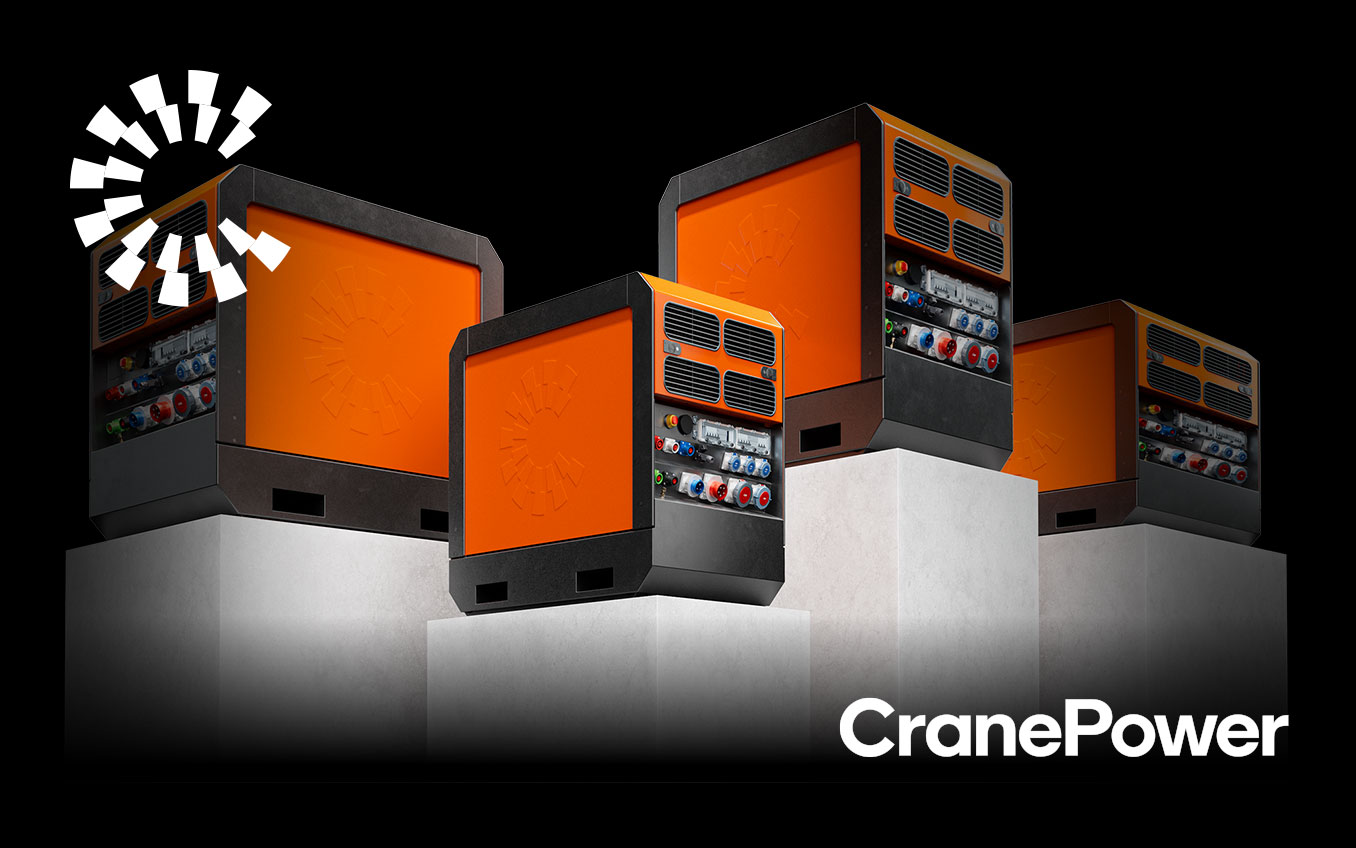
The CranePower is tackling a global construction challenge: reliable temporary power. To better explain its technology, the company partnered with Alt Group and Cactuslab, to create a website that simplifies a complex product into something clear and engaging.
Alt Group's design approach centres on structured storytelling. Cactuslab carried out their design, building it as a series of modular content blocks, guiding users through the problem, solution, and real-world applications without relying on heavy technical detail. Motion, video, and a strong visual hierarchy help carry the narrative.
The underlying build reflects a modern front-end stack. The codebase uses a component-driven architecture with Vite handling fast asset delivery, alongside embedded video and asynchronous scripts to keep performance high. Content is split into clearly defined sections, allowing for flexibility, scalability, and easy updates.
The result is a fast, responsive site that turns complex engineering into a straightforward story, positioning CranePower for growth both in New Zealand and internationally.
PRODUCT REFRESH - APPROPO
A quiet NZ product success story

Twelve years ago, Cactuslab's own Dan Booker set out to build a better technology platform for hospitality operators. Today, Appropo supports more than 200 restaurants, cafés, bars and multi-site hospitality businesses across New Zealand.
Appropo powers brands including Pita Pit, Mexicali Fresh and tuckr, helping operators manage online ordering, loyalty programmes, customer engagement, marketing automation, QR ordering, table service and more. The platform combines proven functionality with the flexibility to create tailored solutions when businesses need something beyond the standard offering.
Over the past few months, the Cactuslab team has worked with Dan to refresh the Appropo brand and website. The new site better reflects the scale of the platform, the sophistication of the product and the impact it has on hospitality businesses throughout New Zealand.
If you haven't visited Appropo recently, it's worth taking a look. Behind the new design is a homegrown success story that has been quietly helping hospitality operators grow for more than a decade.
BEHIND THE SCENES - RALLY
From campaign chaos to scalable platform

Rally didn’t begin as a product idea. It started with a problem.
Sydney MP Alex Greenwich and his team were juggling spreadsheets, phone calls, and a patchwork of disconnected tools just to keep their campaign moving. Like many political organisations, they were stuck with systems that were either too rigid or simply not built for the realities on the ground.
Instead of creating a one-off solution, Cactuslab saw the potential to build something far more powerful.
Working closely with the client, the team unpacked every layer of the campaign experience, from volunteer journeys to event coordination and day-to-day operations. They mapped workflows, designed in Figma, structured scalable data models, and built the product from the ground up with flexibility at its core.
The result is Rally, a platform that makes it easier to recruit, organise, and engage volunteers, while giving teams a clear, real-time view of their campaigns.
But Rally is more than a tool. It’s built to scale.
As a white-label platform, it can be adapted for political teams, charities, and advocacy groups, each with their own branding, experience, and subdomain, all powered by the same foundation.
Today, Rally stands as an example of how Cactuslab turns real-world challenges into scalable software ventures.
INSIDE THE CODE
In defence of bells and whistles - Insights from our Design Team
It’s embarrassing to admit, but a year ago I became a Reddit user when I needed opinions on what size heat pump to install. Reddit is a strange place, nowhere near as toxic as Twitter/X, not as wholesome as Bluesky, but what it excels at is collective input on esoteric issues.
I’ve found myself more than once commenting on web design threads where the OP (original poster) has asked for feedback on a type of site which, for want of a better term, I’m gonna call ‘Scrollgaze’ (patent pending).
Scrollgaze for me includes any site where animation of text or other content elements is to the fore and by and large triggered on scroll.
This usually is done via GSAP or any other combination of JavaScript frameworks although it could include CSS animations or even View Transition techniques.
These threads start with a presumably proud frontend dev and/or designer with a link and description of their creation. Within minutes a pile on ensues of other professionals ripping it to bits. The usual criticisms are it not conforming to standard UX patterns, missing CTAs, performance and accessibility concerns. The commenters are so rigid in their dogma of usability above all else it’s like design is a compliance checklist rather than a creative act.
It may be because I began building websites in the era of tables and spacer gifs and remember the freedom and fun of the full Flash site but I think we’ve gotta allow room for experimentation.
Like the Shoegaze artists of the 90s who didn’t care that you couldn’t make out the lyrics or that they spent way too long getting their guitar overlays just right, Scrollgaze designers push against the cookie cutter idea of one size fits all UX.
To paraphrase another Reddit user, many seem to be conflating "user experience" with "intuitiveness", which is only one factor. If a user, despite initial interactive surprise or confusion, walks away with a positive "wow" feeling, it is 100% good UX. User experience is always ultimately about emotion.
I’m definitely a believer in HTML and CSS as the bedrock and JS as progressive enhancement (the bells and whistles). I do think animation should (most of the time) be subtle and not on every element. And while mobile performance is a big concern, making a few unexpected/delightful design choices is surely what separates us from the AIs.
Scrollgaze is certainly not for everyone and every project. It’s hard to pull off without veering into that other more maligned category, LuxJank, where your beautifully designed luxury-brand has so much motion applied that it turns everyone into a hater on Reddit. You’ll probably make page 1 of Awwwards.com though 😉
We’ve been working on a client site for a little while now that has a lot of Scrollgaze elements (watch this space). It’s likely to break every rule in the book and that’s okay if the audience is right.
— Gareth Lockett, Lead Designer at Cactuslab

LATEST NEWS
In Case You Missed it
Recent blog posts, shoutouts, talks, or recognitions.
- Cactuslab moves to Britomart! After 6 years in our High Street studio, and rapid growth of our teams, we've moved into the spacious offices in the historic Dilworth Building overlooking Customs Street.
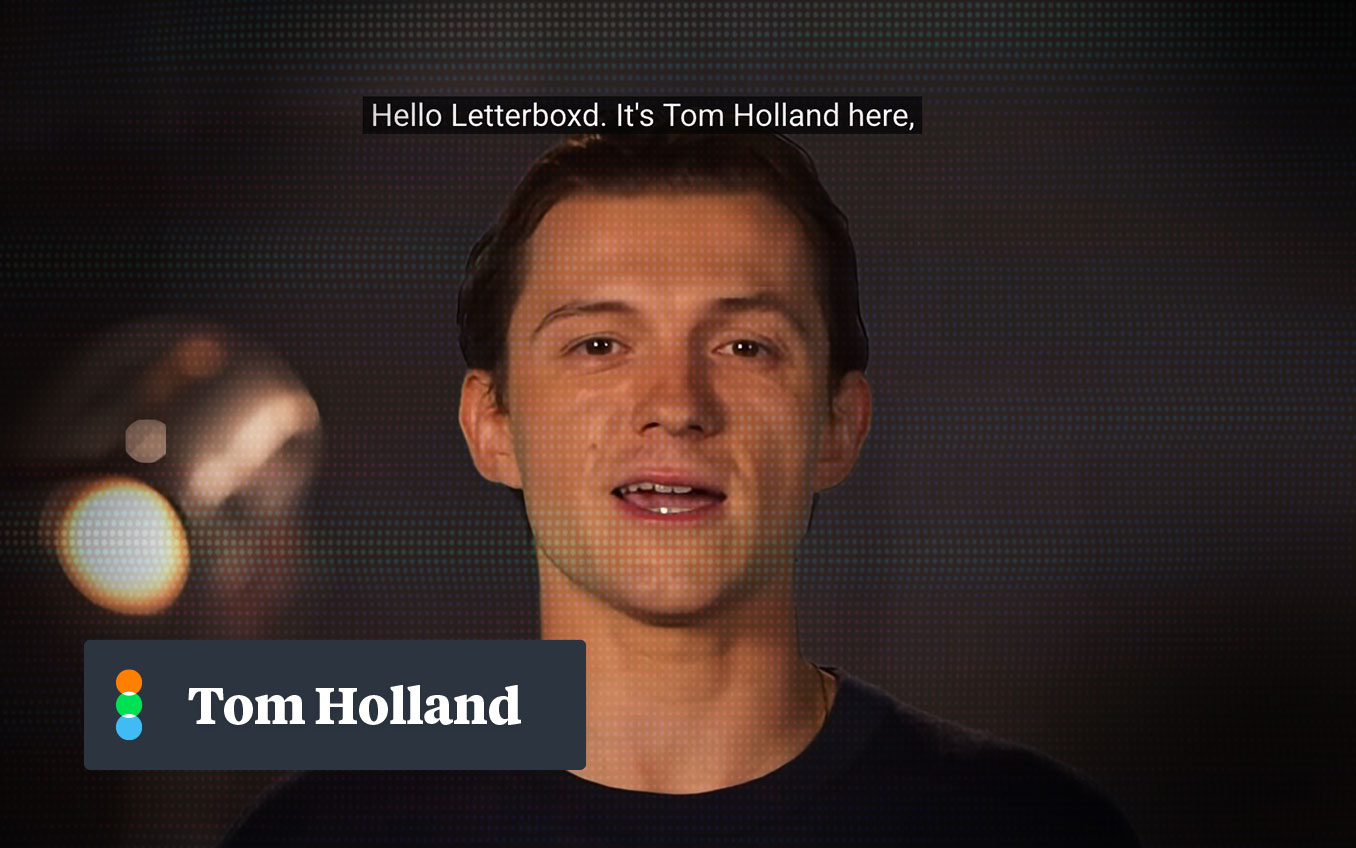
- Letterboxd gets a shout out from Tom Holland on X, and announces the digital punchcard to watch The Odyssey in every format!
PARTNERSHIPS
Got a project in mind? We engage with projects that start as low as $10k+.
Get in touch! tyler@cactuslab.com